Mountains to Mountains: Why Hikers from the Rockies Are Moving to North Alabama
Mountains to Mountains: Why Hikers from the Rockies Are Moving to North Alabama
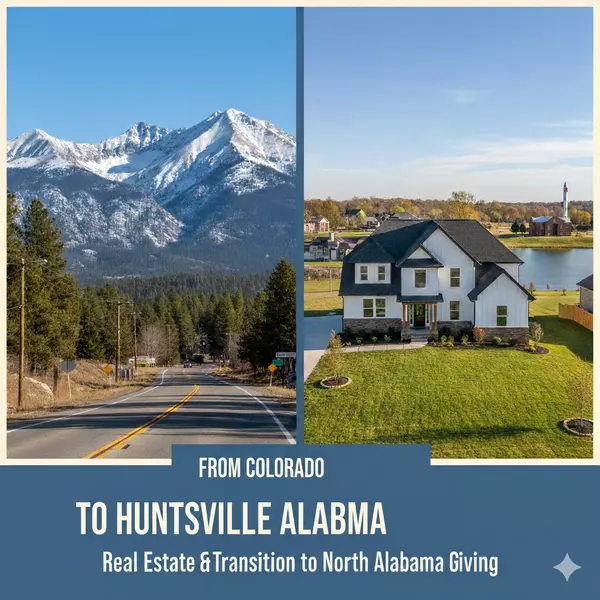
This isn't an isolated story anymore. North Alabama has become an unexpected landing spot for people leaving Colorado, Montana, and other Rocky Mountain states—and a surprising number of them are serious hikers. Not weekend warriors looking to retire from the outdoors, but people who've summited 14ers and still want trails to be part of their daily routine.
The move doesn't make sense on paper. Alabama isn't Colorado. But for a growing number of transplants, that's exactly the point.
Why North Alabama Will Never Compete with 14ers (and why that's okay)
Let's be honest upfront: Monte Sano isn't going to replace Longs Peak. The highest point in Alabama is Cheaha Mountain at 2,407 feet—which wouldn't even qualify as a foothill in the Rockies. There are no alpine lakes, no snowcapped ridgelines, no need for crampons or avalanche beacons.
If you're chasing elevation and technical climbing, Alabama doesn't belong in the conversation.
But here's what former Coloradans keep saying: they didn't leave because they fell out of love with mountains. They left because the lifestyle around those mountains stopped working.
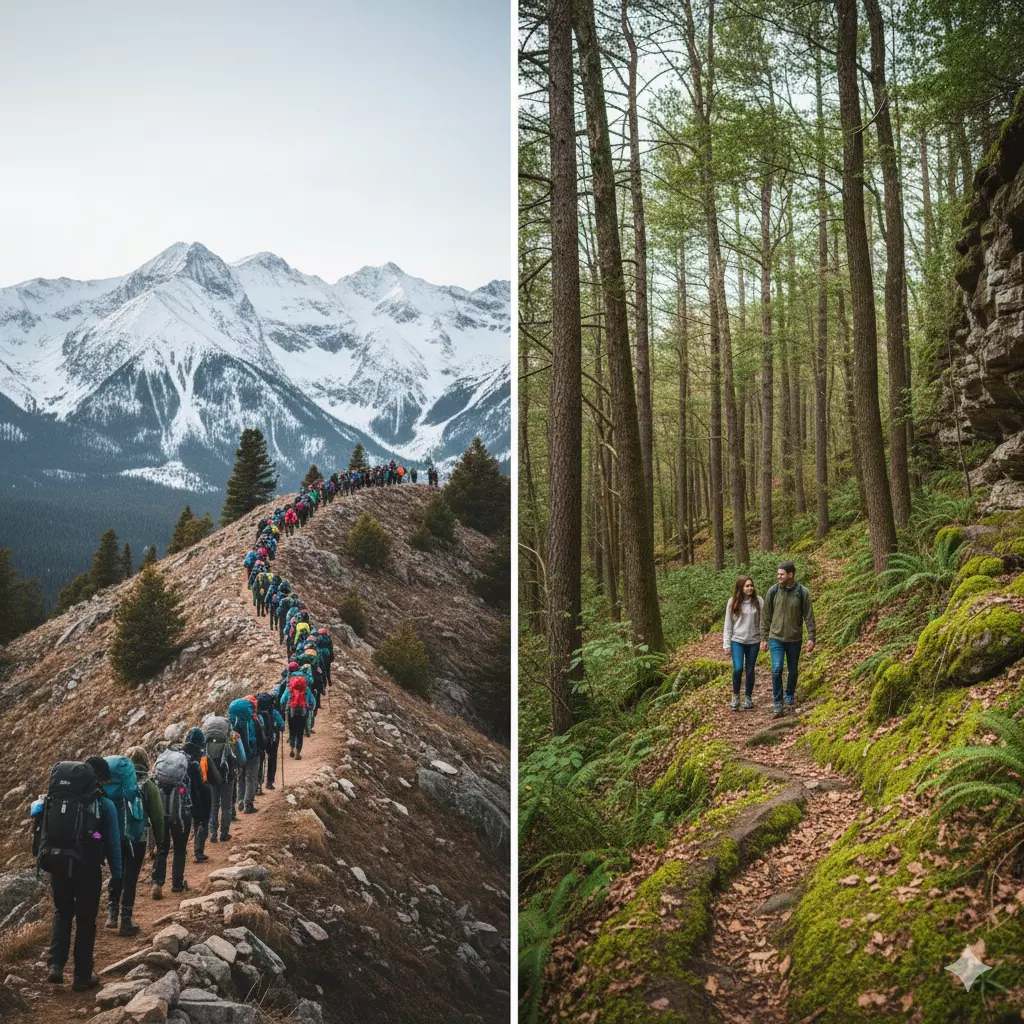
Colorado's trails have become a victim of their own popularity. Trailhead parking fills by 6 AM on weekends. Popular hikes require permits booked months in advance. The quiet moments that made mountain hiking restorative have been replaced by traffic jams on the trail. One transplant from Fort Collins described hiking Emerald Lake on a Saturday as "standing in line at Disneyland, but with better views."
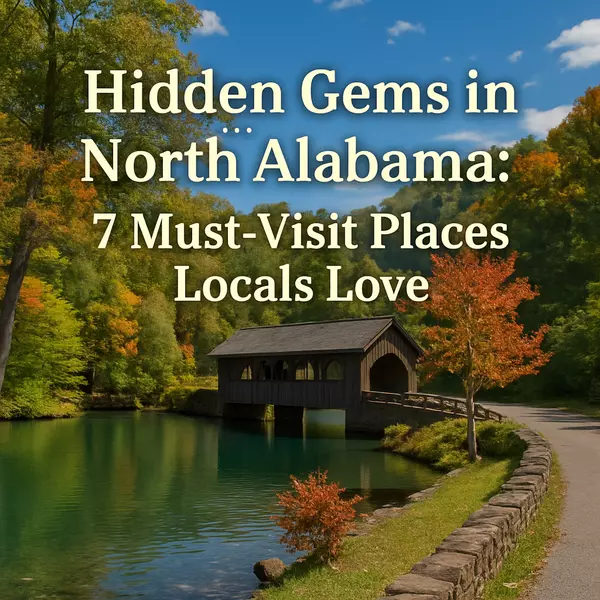
North Alabama offers something different: accessible wilderness. The trails here—Monte Sano, Walls of Jericho, Cathedral Caverns—aren't dramatic, but they're available. You can decide to hike at 4 PM on a Tuesday and be on a quiet trail 15 minutes later. No permits. No crowds. No two-hour drives.
Winter Hiking: Colorado Brown vs Alabama Green
Here's a reality that doesn't make it into Colorado's marketing materials: winter hiking in the Rockies often means hiking on brown, frozen dirt under gray skies. Unless you're going up in elevation into snow—which requires gear, experience, and careful weather watching—the Front Range in January is cold, dry, and surprisingly bleak.
North Alabama winters look like Colorado springs. Trails stay green. Temperatures hover in the 40s and 50s. You can hike comfortably in a fleece most days from December through February while your former neighbors are dealing with single-digit windchills and icy trail conditions.
This isn't a small thing when hiking is part of your identity, not just a summer hobby. People who moved to Colorado specifically for outdoor access often find themselves stuck indoors half the year, waiting for conditions to improve. The Rockies are spectacular, but they're seasonal in ways that don't show up in the Instagram posts.
One family who relocated to Huntsville from Colorado Springs put it simply: "We hike more here." Not bigger hikes. Not better hikes. Just more often, more casually, more consistently. Their kids can trail run after school in January. They can hike every weekend without planning it like an expedition.
Hiking as a Lifestyle vs a Weekend Event
In Colorado, hiking becomes an event. You pack the car the night before. You set an alarm for 5 AM to beat the crowd. You budget gas money for the drive to Rocky Mountain National Park. It's meaningful and rewarding, but it's also... a production.
In North Alabama, hiking becomes part of the week's rhythm. Monte Sano State Park sits inside Huntsville city limits. Land Trust of North Alabama maintains dozens of trails within 20 minutes of downtown. You can walk out your door in several neighborhoods and be on trail systems that connect for miles.
This proximity shifts how people interact with the outdoors. Instead of one big Saturday hike, it's a Tuesday morning trail run before work, a Thursday evening walk at Three Caves, a Sunday afternoon exploring a new section of the Flint River Trail. The outdoor lifestyle stops being something you escape to on weekends and becomes embedded in the daily routine.
Exploring a Move to North Alabama?
Our team specializes in helping outdoor-focused transplants find homes with trail access, green space, and the lifestyle integration that brought them here.
Browse Available HomesHow This Impacts Where People Choose to Live
When hikers relocate to North Alabama, they don't just pick the cheapest house or the best school district. They optimize for trail access the same way they did in Colorado—just with different geography.
Huntsville
Monte Sano State Park offers 14 miles of multi-use trails within city limits. From many east Huntsville neighborhoods, you're a five-minute drive from the trailhead.
The city's growth in aerospace and tech has created a culture that mirrors parts of Colorado—educated transplants, brewery culture, and outdoor recreation as social currency.
5 min to trailsMadison
Suburban comfort with proximity to Huntsville's trail systems. Families land here for good schools, newer construction, and a 15-minute drive to Monte Sano.
You're trading immediate trail access for a bigger house, better amenities, and a mortgage that doesn't require two tech salaries.
15 min to major trailsAthens
Small-town living with trail access. Quieter, more affordable, and closer to some of North Alabama's more remote hiking—Walls of Jericho, Elk River, High Falls Park.
For people who spent years priced out of Colorado mountain towns, Athens offers proximity to nature and lower stress.
Near wilderness areasWhat all three locations share is this: they allow hiking to be habitual instead of aspirational. You're not spending half your income to live near trails you can only access on weekends. You're building a life where outdoor access is assumed, not hard-won.
The Real Comparison
North Alabama will never be Colorado. Anyone moving here expecting 14ers and alpine tundra will be disappointed. But an increasing number of people are realizing that's not actually what they need.
What they need is a place where hiking fits into life instead of requiring life to reorganize around it. Where winter doesn't shut down the trails for months. Where you can afford a house with space for your mountain bike and kayak without working 60-hour weeks or commuting two hours a day. Where trails aren't so crowded that you need to arrive before sunrise to find parking.
North Alabama offers that. Not as a replacement for the Rockies, but as a different model entirely—one where the outdoors are genuinely accessible, not just geographically close but logistically available.
For people relocating from Colorado, that distinction is everything. They're not giving up on hiking. They're choosing a place where they can actually do it.
Categories
Recent Posts